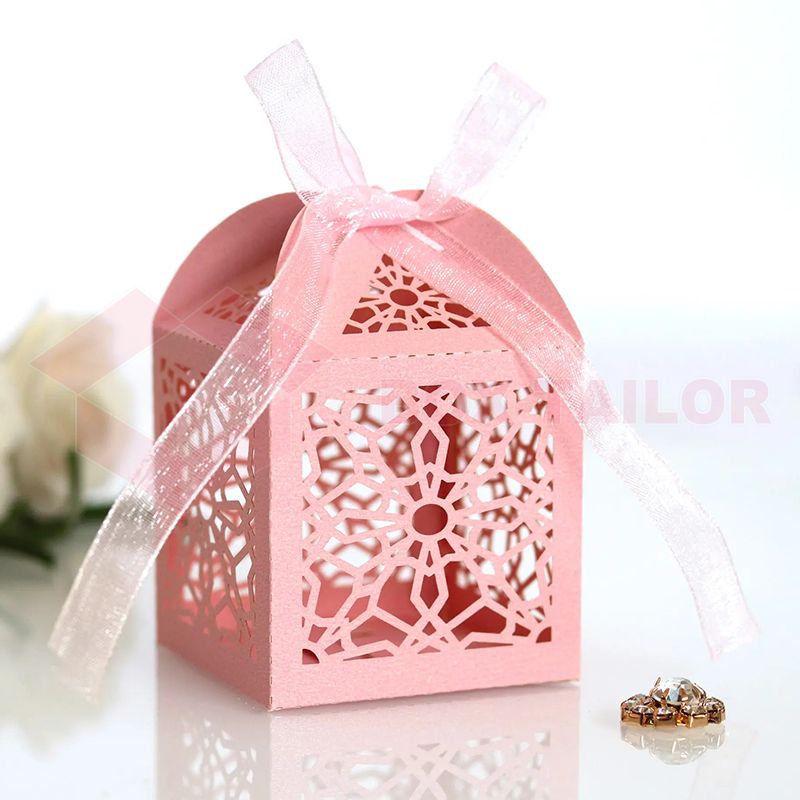
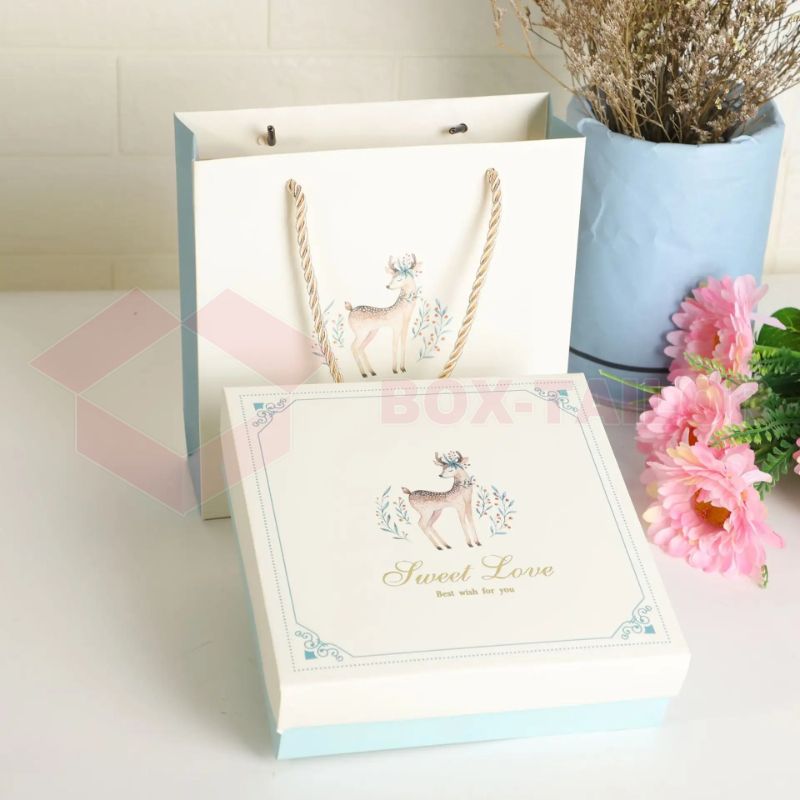
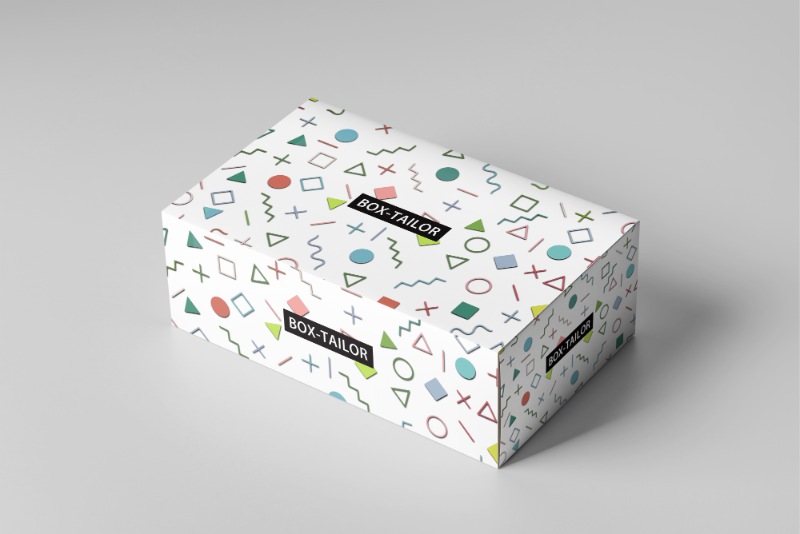
People rely on clothing, and products rely on packaging. The development of various industries is inseparable from the packaging industry, much like how people wearing clothes has become a habit and a facade. Good products also need exquisite packaging to create a favorable impression. Especially in an era where people pursue spiritual enjoyment, gift boxes and outer packaging not only serve the purpose of storage, insurance, and moisture prevention but also enhance the brand's visibility and added value.
No one sells a product just as it is; especially in the situation of competing products, packaging is crucial. A good packaging box can effectively enhance the product's grade. This brings us to the topic of premium packaging boxes.
I. Why Choose Premium Packaging Boxes?
Leaving aside the fact that good packaging facilitates better product sales and enables effective pricing, how do consumers distinguish between products? Why should they choose yours? Without understanding the product in depth and not being professionals, customers can differentiate better through various packaging styles, colors, and materials.
In essence, many people buy goods based on their feelings. If a product looks high-end and has good material quality, people are inclined to buy it. Moreover, good packaging ensures the product's safety during transportation and storage, minimizing product loss and reducing the merchant's costs. Lastly, a high-quality packaging box, especially one with excellent texture, is something consumers are usually reluctant to throw away. If the packaging box also serves other practical purposes in daily life, it can function as continuous advertising for the business.
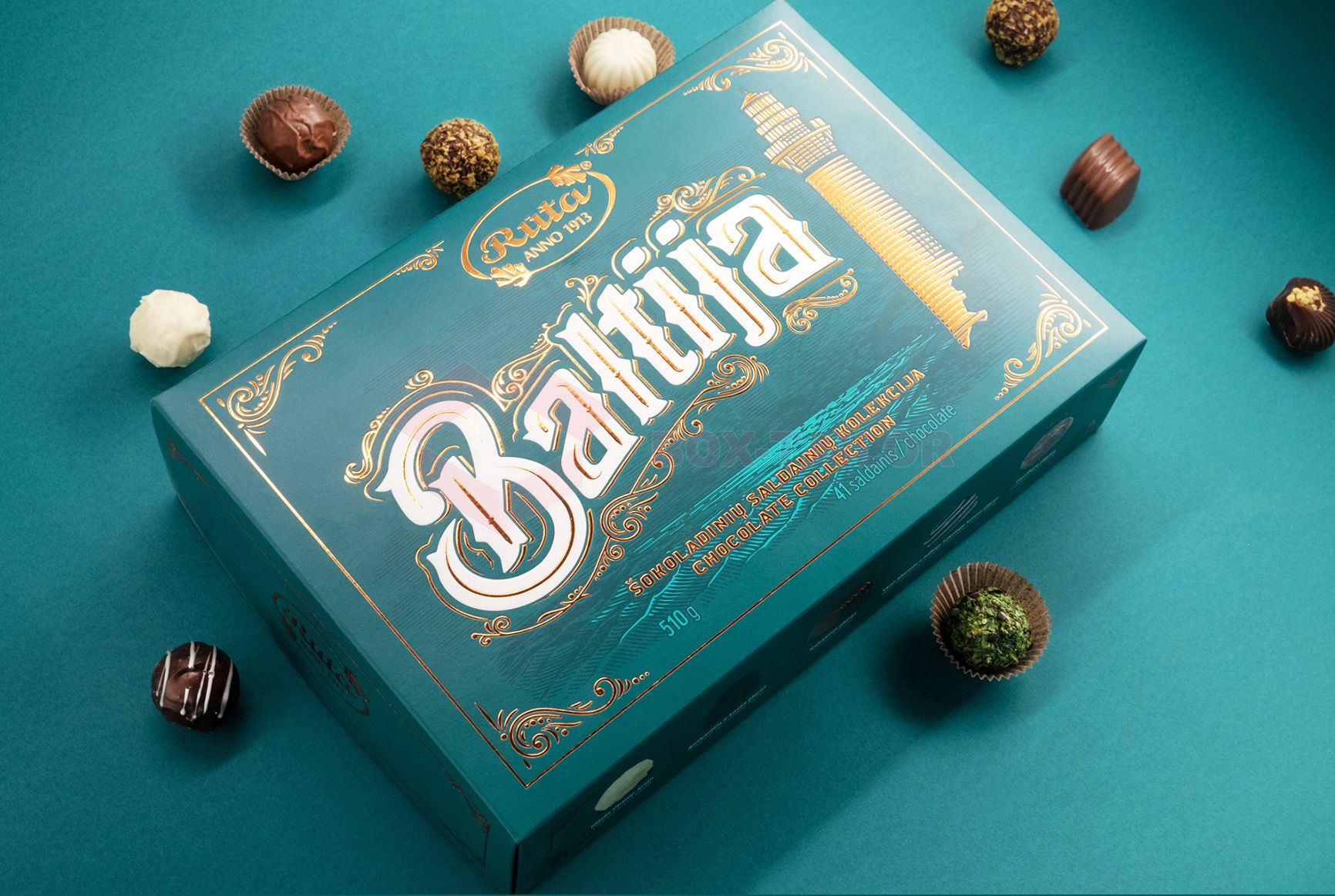
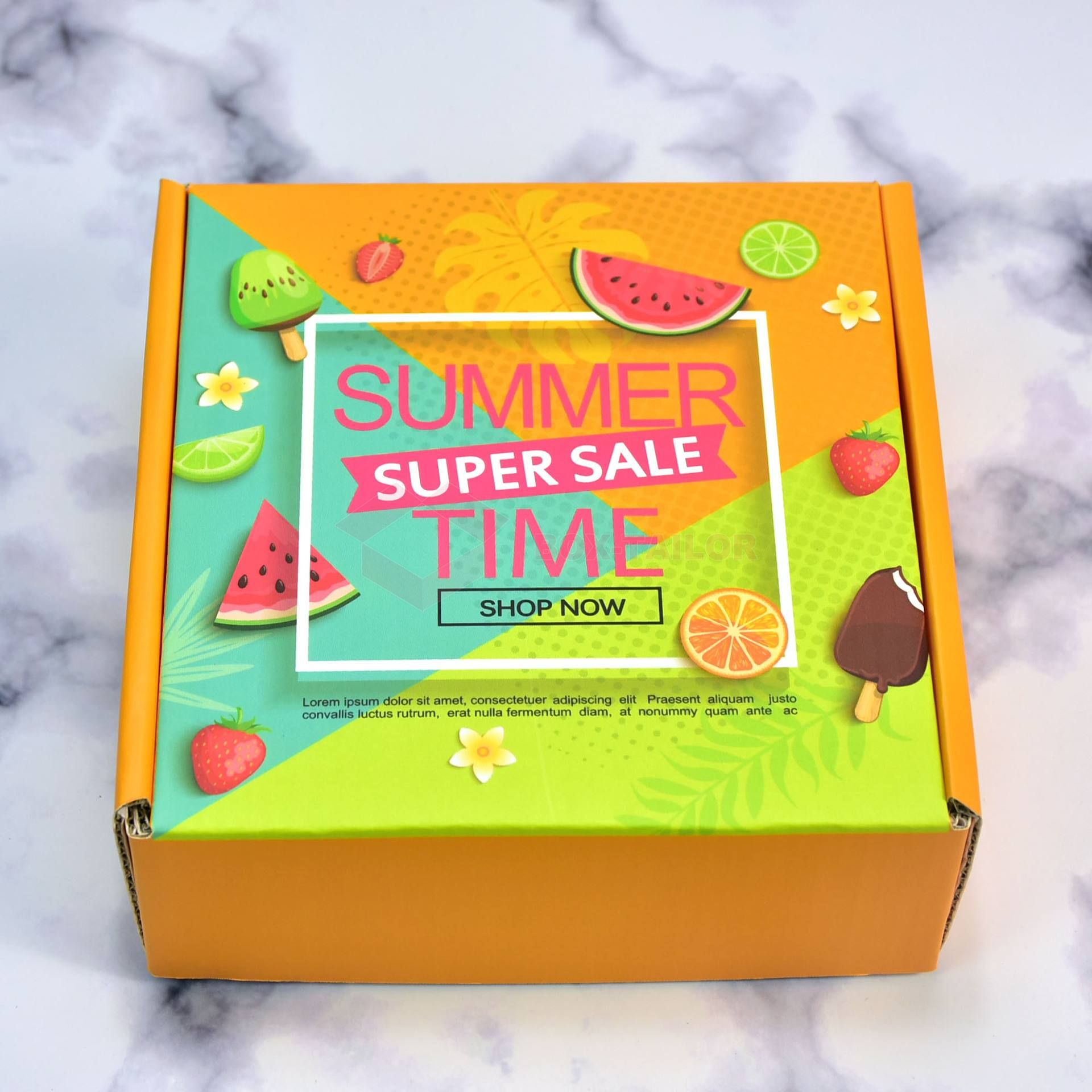
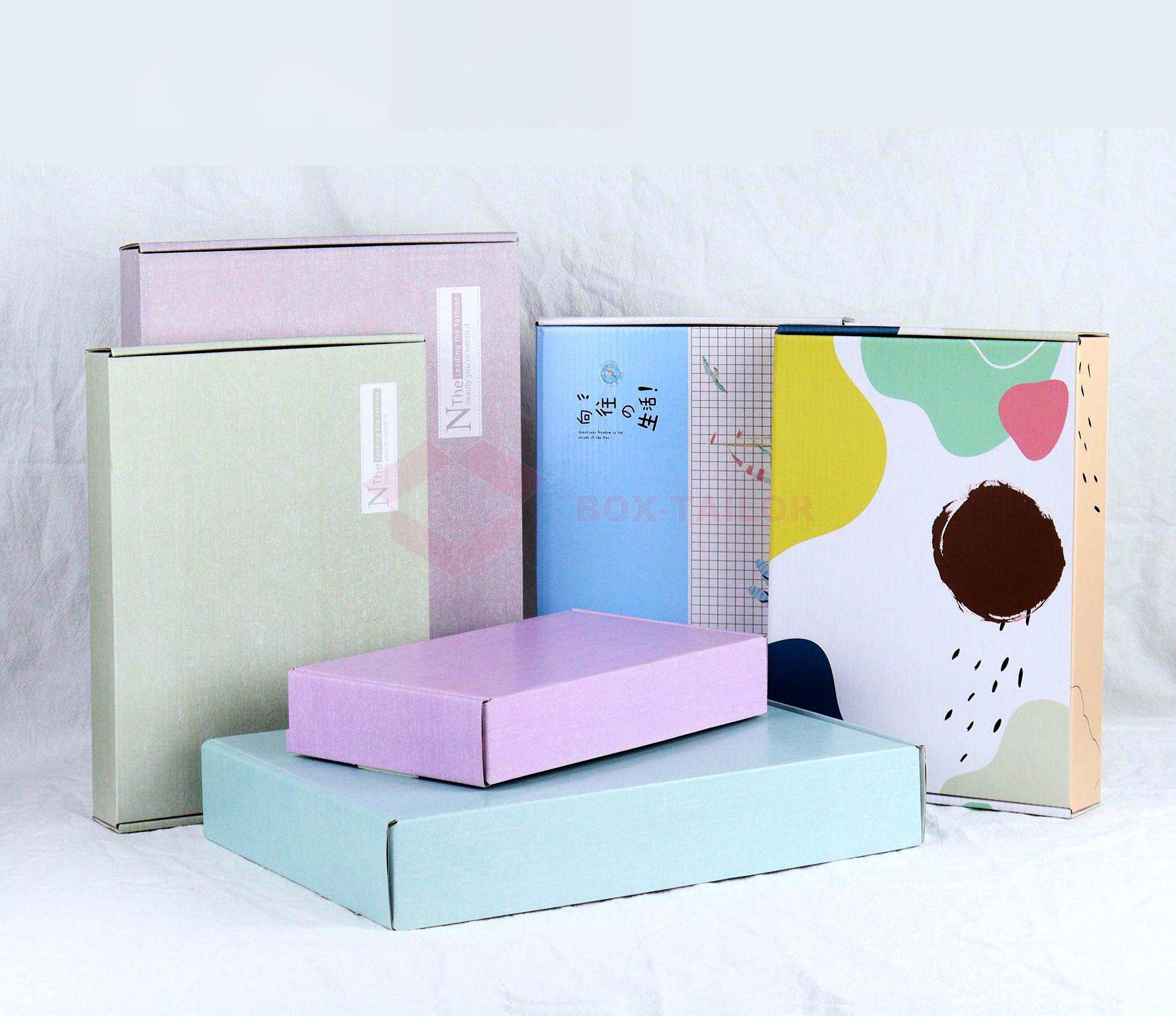
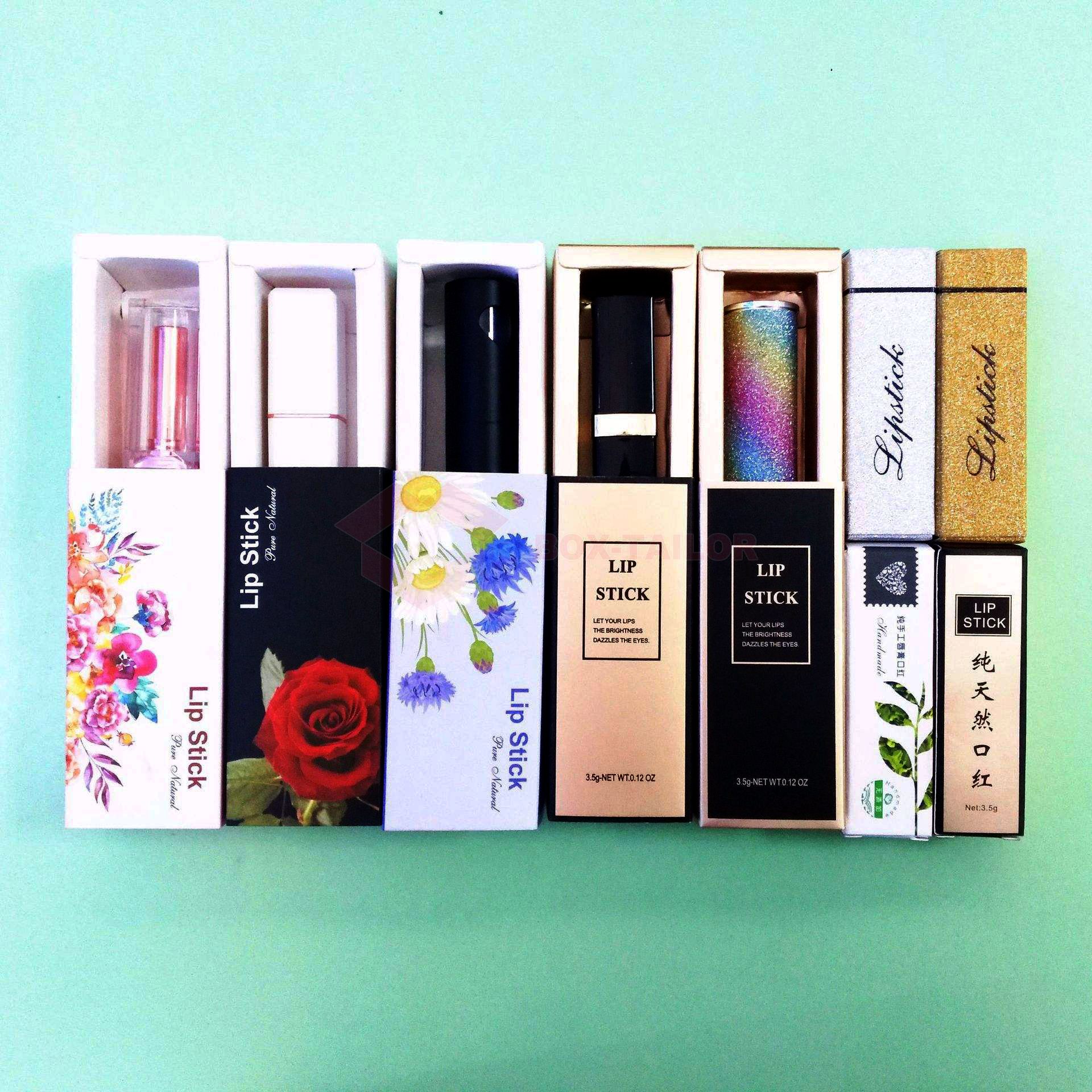
With the post-90s generation becoming the core of consumers, the new generation of customers particularly appreciates the appearance of products. Premium packaging boxes then naturally assume the responsibility of enhancing the product's visual appeal. There are various types of premium packaging boxes, such as book-shaped boxes, lid and base boxes, drawer boxes, irregular-shaped boxes, sleeve boxes, and window boxes, each with its unique characteristics. When it comes to customization, how should you choose the box type?
II. How to Choose the Box Type?
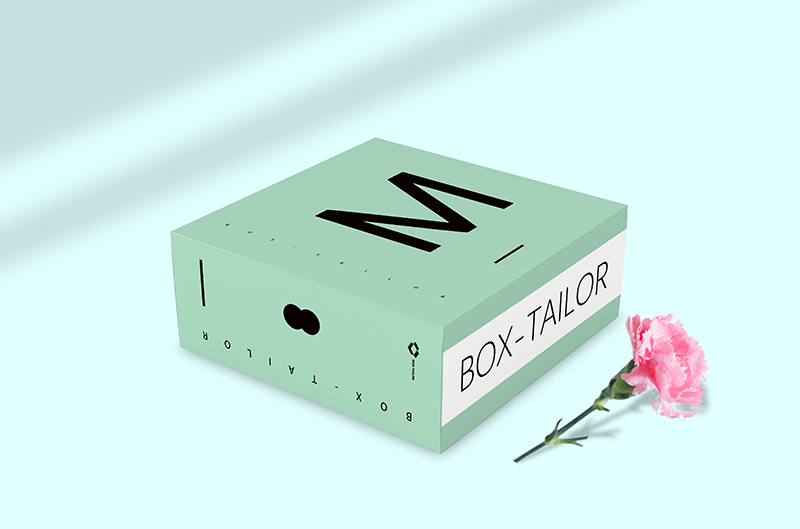
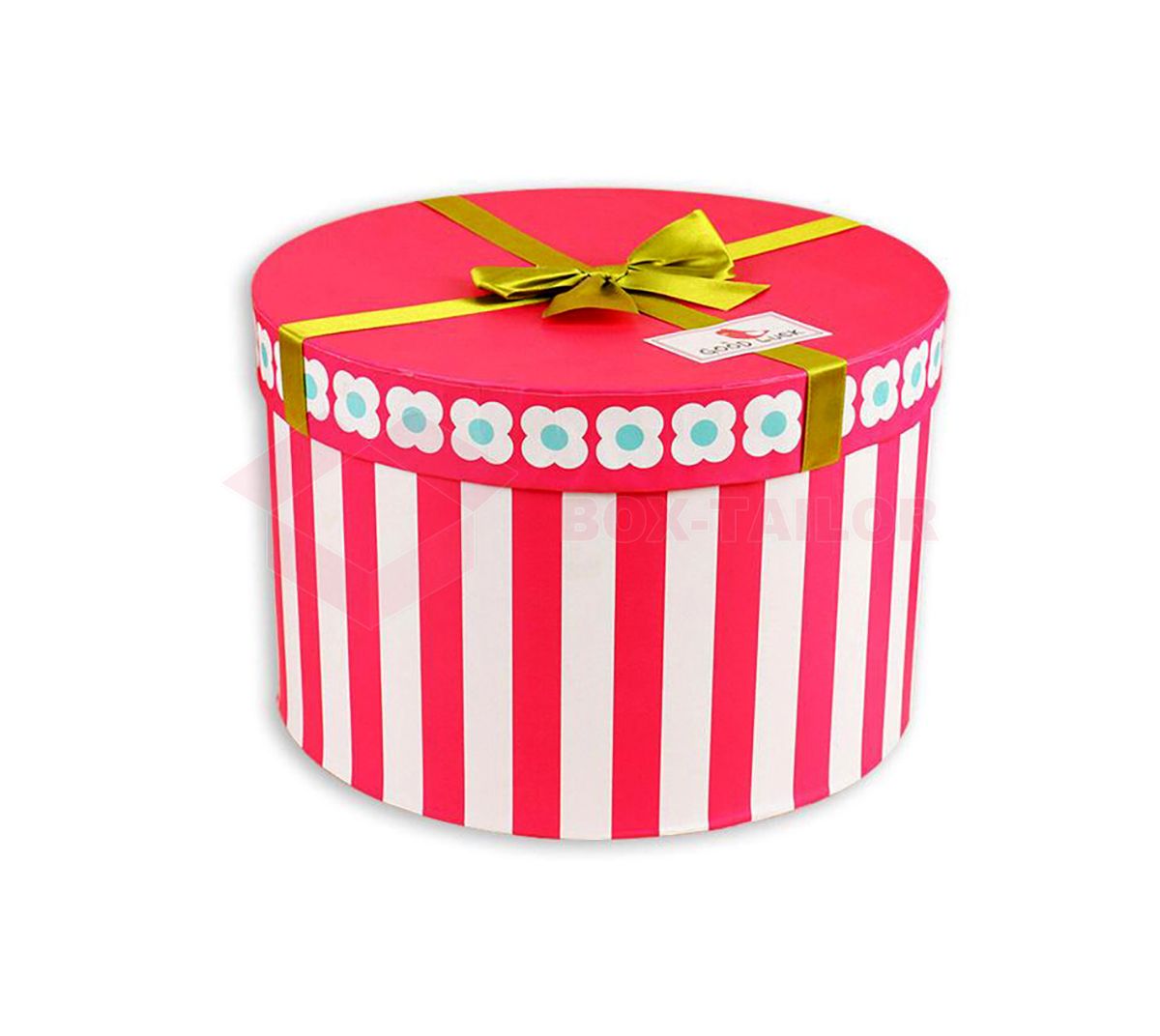
Firstly, there is the lid and base box, which is the simplest type among premium boxes. It has a straightforward design, is easy to manufacture, and is cost-effective. The customization period is relatively short. If you require something affordable and quick, this is a good choice.
Next is the flip box, notable for its suitability for display. It has an attractive design, but customization is slightly more expensive compared to lid and base boxes. High-end products often opt for this style.
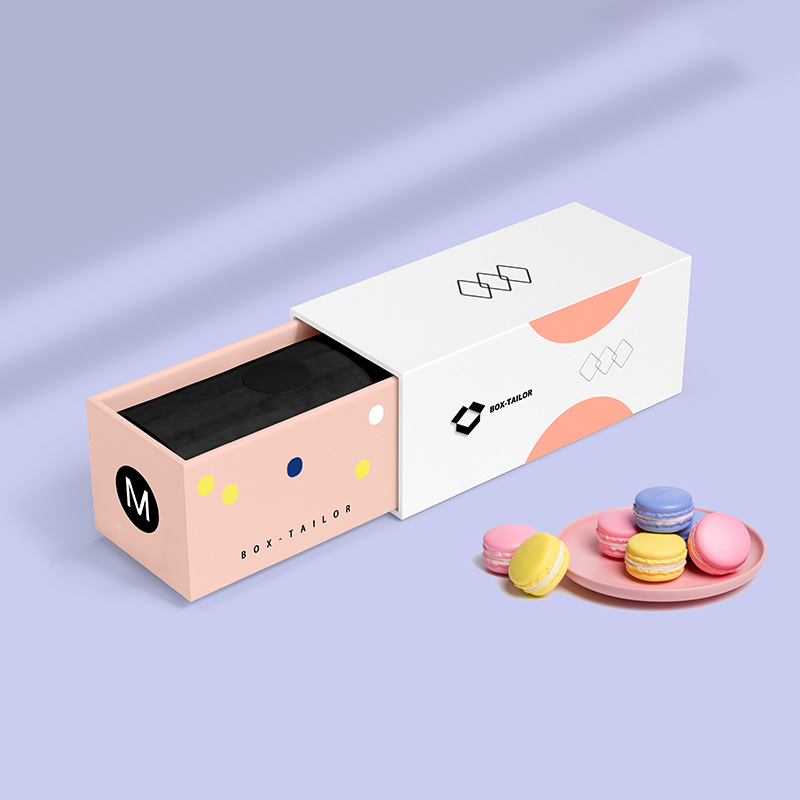
Following that is the drawer box, a less commonly used type. It opens like a drawer, creating a sense of mystery. However, it has a higher customization cost and a relatively ordinary appearance, leading to limited usage.
Lastly, there are the trendy irregular-shaped boxes in the market. They are distinctive and immediately capture customers' attention but tend to be more expensive.
Apart from box types, people often find themselves in a dilemma when it comes to choosing materials for premium packaging boxes. There are various options like wooden boxes, paper boxes, fabric-covered boxes, leather boxes, metal boxes, acrylic boxes, corrugated boxes, and PVC boxes. Improper material selection can lead to unnecessary losses. So, how do you choose the right packaging material?
III. How to Choose Packaging Materials?
1.Meet Product Requirements:
The choice of material should align with the product's characteristics, such as its form (solid, liquid, etc.), corrosiveness, volatility, and whether it needs protection from light.
2.Align with Market Positioning:
Select appropriate materials based on the product's positioning and the target consumer group. High-end or precision products require materials that are both aesthetically pleasing and high-performing. Mid-range products should balance aesthetics and practicality, while low-end packaging materials should prioritize utility.
3.Effectively Protect the Product:
Packaging materials should effectively safeguard the product. Therefore, they should have sufficient strength, toughness, and elasticity to withstand external factors like pressure, impact, and vibrations.
4.Ease of Printing:
Packaging materials should be suitable for processing and easy to handle with mechanized and automated packaging operations. This is essential for large-scale industrial production and for printing packaging logos.
In addition to material and box type selection, there are numerous details to consider in customizing premium packaging boxes. To provide peace of mind to clients and enhance their competitiveness within the industry, many companies offer comprehensive services, including design, sampling, and production.
Previous
Types of Common Packaging MaterialsNext
None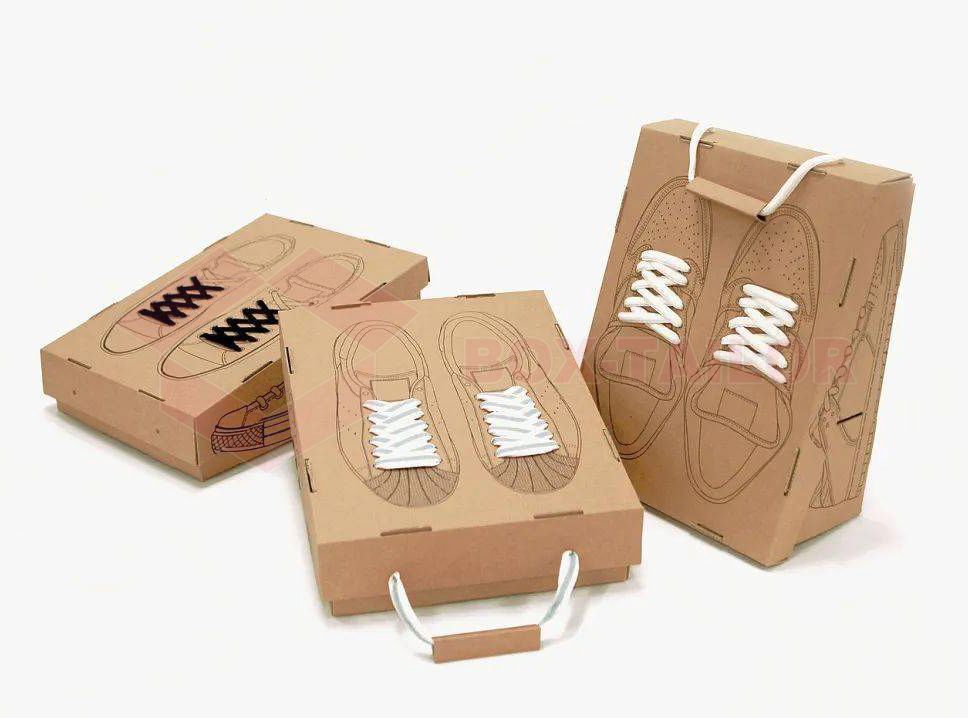
06Nov
25Oct
Request a Quote
If you are interested in our products, you can leave us a message at any time.