Sustainability is the way forward for the
packaging industry
Packaging is everywhere. Most packaging consumes a considerable amount of resources and energy
during production and transportation, with at least 17 trees, 300 liters of oil, 26,500 liters
of water and 46,000 kilowatts of energy required to produce even one ton of cardboard packaging,
which is considered by many consumers to be "more environmentally friendly". These consumptive
packages usually have a very short useful life, and most of the time they are improperly
disposed of and enter the natural environment, becoming the cause of a variety of environmental
problems.
The most direct solution to packaging pollution is to promote sustainable packaging, i.e. to
develop and use packaging that is recyclable, reusable and made from rapidly renewable resources
or materials. As consumer groups become more aware of eco-conservation, improving packaging to
reduce the ecological footprint of products has become one of the social responsibilities that
companies must take on.
What is sustainable
packaging?
Sustainable packaging goes beyond the use of eco-friendly boxes and recycling; it encompasses the entire
life cycle of packaging from front-end sourcing to back-end disposal. Sustainable packaging manufacturing
standards outlined by the Sustainable Packaging Coalition include:
● Beneficial, safe and healthy for individuals and communities throughout the life cycle
● Meets market requirements for cost and performance
● Use renewable energy for sourcing, manufacturing, transportation and recycling
● Optimize the use of renewable materials
● Manufactured using cleaner production techniques
● Optimize materials and energy by design
● Restorable and re-cyclable
According to a recent survey by international consulting firm Accenture, more than half of
consumers are willing to pay a premium for sustainable packaging. A new generation of consumers
has grown up with words like "low carbon," "eco-friendly," and "reuse," and today the term
sustainable packaging is more than just a buzzword or an option; it's becoming a necessity. It
is becoming a necessity. Corporate brands need to reflect the same values in their business, and
the packaging of the products that first come to the consumer's attention is one of the key
arenas in which these values are presented. Fusing sustainability concepts with creative design
to develop interesting and eco-friendly packaging will help companies reduce their carbon
footprint while increasing brand loyalty among a new breed of consumers.
01 Giving new functionality to disposable
packaging
Shoeboxes that make
people "keep the glittering casket and give back the pearls to the seller"
The carbon emissions and waste associated with cardboard shoeboxes and large amounts of lining paper used
to contain shoes are key entry points for many footwear brands to realize their sustainability goals. For
example, Vans uses 80% recycled paper and soy-based inks for some of its shoeboxes, and Allbirds has
enhanced shipping resistance in its shoebox design to reduce double packaging.
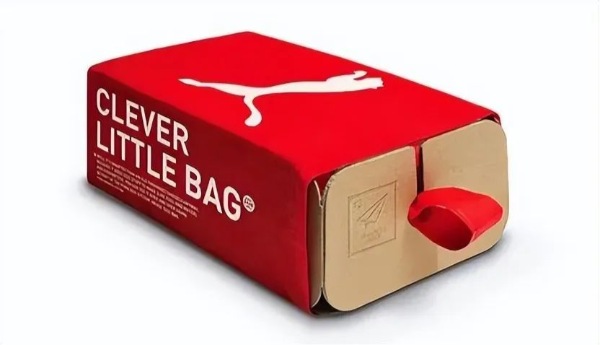
In 2011, German sports brand PUMA collaborated with designers to launch a creative shoebox: the Clever
Little Bag. The internal cardboard box of this shoe box is made of 100% recycled paper, compared with the
traditional shoe box can save more than 65% of paper and 60% of water, energy and fuel consumption each
year; the top cover of the shoe box is also a tote bag made of recyclable plastic, which not only avoids the
supply of additional handbags in the mall, after the shoes are taken out, the bag itself can be used as a
fashionable shopping bag over and over again, ideally, these shoe box bags can save 275 tons of plastic
bags. Ideally, these shoebox bags could save 275 tons of plastic bags.
The shoebox has won a number of design awards since its launch, including the IDEA Award in the United
States and the iF Award in Germany. It stands out not only because of the product's integration of
sustainability, but also because of the balance between sustainability and fashion aesthetics, and when
sustainability becomes synonymous with "trendy" fashion, consumers are likely to "keep the glittering casket
and give back the pearls to the seller",paying for a package that is interesting enough to be used in a
fashionable way.
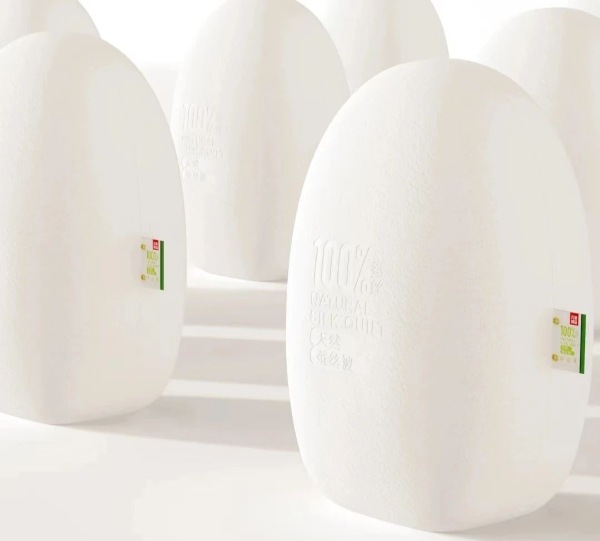
02 Packaging materials bring sustainable
change
#cocoa nibs #not
only for chocolate but also for packaging
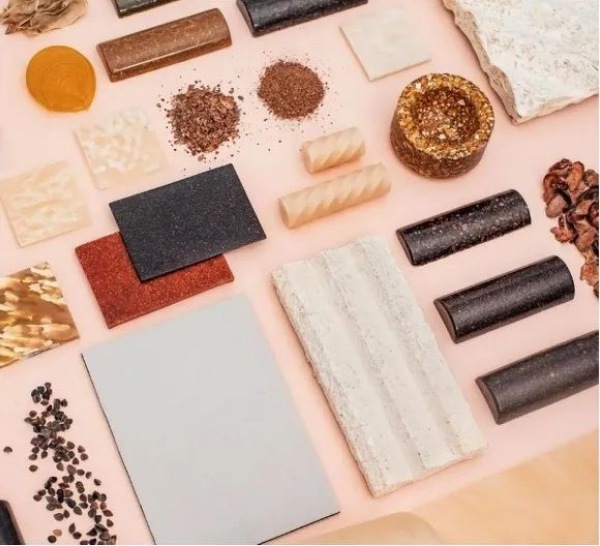
Maybe, you like to eat churros and know that the ingredients of churros come from cocoa beans, but did you
know that the shell of cocoa beans, can also be used for packaging?PriestmanGoode company has designed a
sustainable lunch box, the ingredients of which come from cocoa bean shells, mycelium, and pineapple shells,
among others. By using natural materials instead of plastic, the company hopes to reduce its environmental
impact and create a more comfortable dining experience.
03 Make packaging part of the
product
Cosmetics that can
be restocked directly
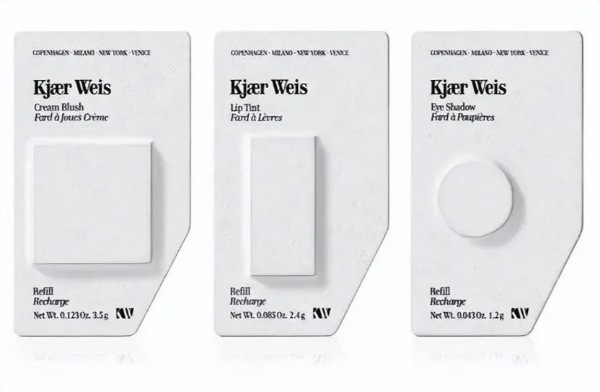
Habitual use of the same brand of cosmetics consumers can easily save up a whole lot of the same exact
plastic packaging, because cosmetics are generally containers are not large in size, so even if consumers
have the intention of secondary use, but also can not think of any good way to use. "Since cosmetic
packaging is for cosmetics, it's good to let it continue to be." U.S.-based organic cosmetics brand Kjaer
Weis then offered a sustainable packaging solution: refillable boxes.
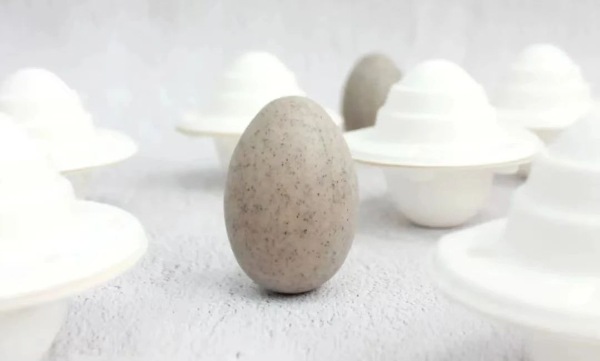
This refillable box can cover a variety of product types such as eye shadow, mascara, lipstick, foundation,
etc., it is easy to be disassembled and reassembled, so when consumers use up a cosmetic and repurchase, you
no longer need to buy the product with a new box, but can be cheaper to buy cosmetics directly "core", will
be put into the original cosmetic box on their own! Instead, you can buy the "core" of the cosmetic product
at a cheaper price and put it into the original cosmetic case by itself. In addition, on the basis of the
traditional metal cosmetic box, the enterprise also specially designed a biodegradable, compostable paper
material made of cosmetic boxes, consumers who choose this packaging can not only be refilled, but also do
not have to worry about the pollution caused by throwing it away.
04 Help consumers form sustainable new
habits
Recyclable
Basket
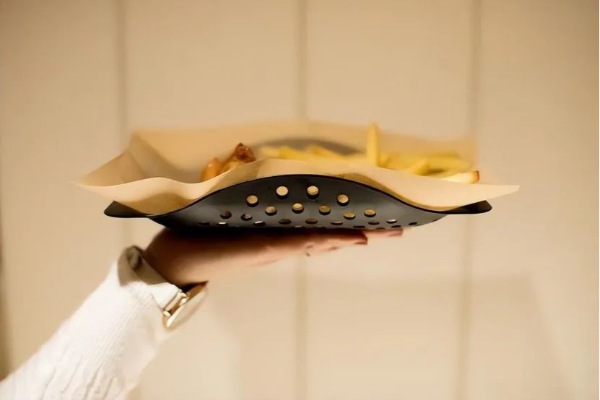
The recyclable food basket designed by YANG DESIGN for KFC has led to a reduction in the use of 13
disposable packaging materials for dine-in, an average 20% drop in the total amount of garbage in the
restaurant, and an estimated annual savings of more than 2,000 tons of paper consumption in KFC restaurants
nationwide. Under the premise of ensuring customers' dining experience, service efficiency is further
enhanced. KFC restaurants won the "Innovative Public Welfare Program of the Year" award for this product.
The streamlined design makes it easy for store personnel to access and place grease absorbent paper,
improving meal preparation efficiency and making it easier to dump post-dinner residue. The gradient design
of the holes not only meets the structural strength, but also makes it easy to drain after cleaning and
greatly reduces the use of raw materials. The basket holds more space than traditional disposable packages,
allowing consumers to freely access their food and share it during the meal. The use of recyclable baskets
also improves the efficiency of meal preparation and shortens the waiting time for consumers. The use of
frosted black presents a sense of high-end quality, breaking through the cheap impression of previous
plastic food baskets.
The emergence of recyclable food baskets has changed consumers' traditional dining habits, and for KFC, the
key challenge at the start of the campaign was how to achieve environmental goals and ensure consumers'
dining experience at the same time.
Consumer choice of product packaging is changing little by little, how to improve packaging design and
commitment to reduce waste to grab the attention of consumers in the new era, to explore new business
opportunities, this is now all enterprises must begin to think about the problem, because, "sustainable
development" is not a temporary popular element, but the brand enterprise's present and future.
Designing sustainable packaging is not just about using eco-friendly or recycled materials, but also about
having a creative aesthetic that makes users stop and think immediately. When consumers are shopping for a
product, the packaging must win them over in a matter of seconds and prompt reflection, so the overall
package must be aesthetically pleasing, safe and environmentally friendly at first glance. If designers can
successfully integrate these messages into packaging design, products will naturally stand out in the
competitive supermarket and e-commerce market.